Compare Local Contractors for Pavement Leveling Services
Compare local contractors for pavement leveling to define your project scope, verify experience, and set clear expectations in writing for a successful outcome.
Pavement leveling services typically address uneven or sunken surfaces in driveways, parking lots, sidewalks, and other paved areas. This work involves assessing existing pavement conditions, removing or adjusting the underlying base materials, and applying techniques such as mudjacking or slab lifting to restore a smooth, stable surface. Properly leveled pavement not only improves the appearance of a property but also enhances safety and functionality by reducing tripping hazards and preventing further damage caused by water pooling or shifting foundations.
Defining the scope of pavement leveling work is essential to ensure the project meets specific needs and expectations. Clear communication about the areas to be addressed, the methods to be used, and the desired outcome helps property owners and contractors align on the work involved. Documenting these details in writing can prevent misunderstandings and provide a reference point throughout the project. Understanding what is included in the scope also helps property owners identify potential additional work or costs that may arise, ensuring the project remains transparent and well-managed.
When comparing local contractors for pavement leveling, property owners should evaluate their experience with similar projects, the methods they propose, and their reputation within the community. Verifying the background of service providers can involve reviewing past work, asking for references, or checking for any relevant credentials. It’s also important to review written estimates or proposals that specify the scope of work, materials, and techniques to be used. By gathering detailed information and asking questions about each contractor’s approach, property owners can make informed decisions and select service providers best suited to meet their specific pavement needs.
Compare local contractors by outlining project priorities, verifying experience, and establishing clear scope and expectations in writing.
- Compare Contractor Credentials - evaluate the experience and reputation of local contractors to ensure reliable pavement leveling services.
- Define Project Scope - clearly outline the work needed to help contractors provide accurate proposals and set expectations.
- Verify Experience - confirm that service providers have relevant background in pavement leveling to handle specific project requirements.
- Document Agreements in Writing - ensure all project details, responsibilities, and expectations are recorded to avoid misunderstandings.
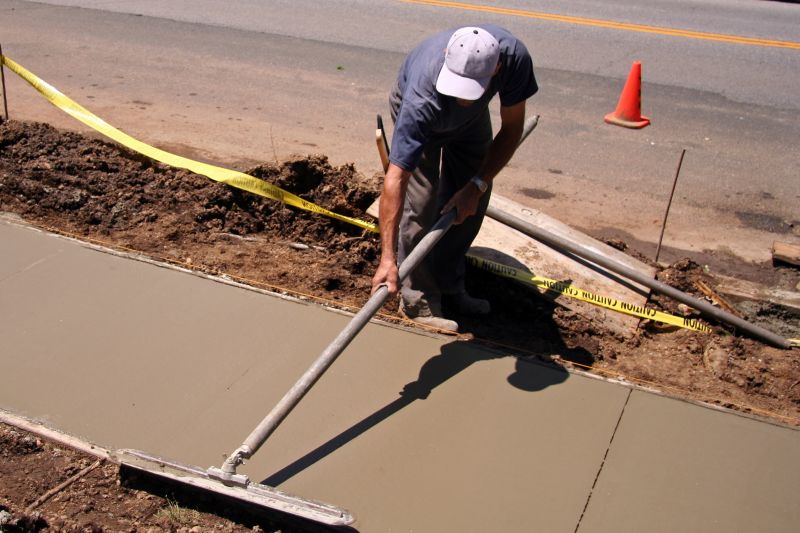
Clearly describe your pavement leveling project to help compare local contractors, define scope, and verify experience effectively.
- Verify experience and references of local contractors specializing in pavement leveling. Ensure scope of work is clearly defined and documented in writing before work begins.
- Compare multiple service providers to evaluate their methods and approach to pavement leveling projects. Look for contractors who provide detailed descriptions of their process and materials used.
- Assess the contractor’s understanding of the specific pavement issues and their proposed solutions. Confirm that all project expectations are outlined in a formal agreement or contract.
- Check for proper assessment of the pavement condition to determine the appropriate leveling technique. Ensure contractors identify underlying causes of unevenness to prevent future problems.
- Review the contractor’s plan for site preparation, safety, and cleanup procedures related to pavement leveling. Clarify what is included in the scope to avoid misunderstandings or additional work later.
Compare local contractors’ experience and clarify project scope to ensure successful pavement leveling.

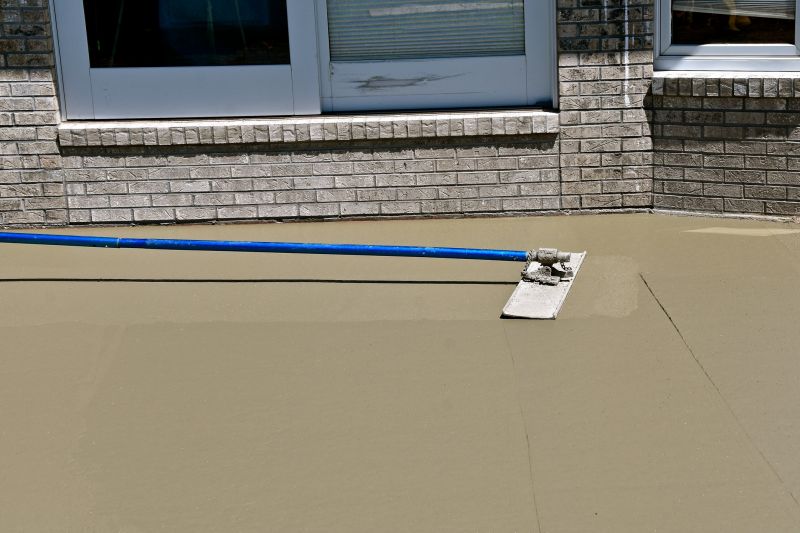


Use clear, consistent comparison criteria to evaluate local contractors’ scope, experience, and written expectations for pavement leveling.
- Scope Definition - Clearly outline the specific areas and extent of pavement that require leveling to ensure all parties understand the project boundaries.
- Surface Conditions - Assess and document the current condition of the pavement surface, including existing damage or irregularities that may impact leveling work.
- Leveling Requirements - Specify the desired elevation and smoothness standards to achieve an even surface that meets project expectations.
- Material and Methodology - Identify the materials and techniques to be used by local contractors to perform pavement leveling effectively.
- Verification and Documentation - Establish procedures for inspecting, measuring, and recording the work scope to verify completion according to the defined parameters.
When evaluating contractors for pavement leveling, it is important to consider their experience with similar projects. Homeowners should inquire about the types of pavement surfaces they have worked on and the scope of previous leveling jobs. A contractor with a proven track record in handling projects comparable in size and complexity can provide insight into their familiarity with specific challenges and techniques. This background helps ensure that the service provider understands the nuances of pavement leveling and can deliver results aligned with expectations.
A clear, written scope of work is essential for a successful project. Homeowners should seek detailed descriptions of the tasks involved, including the methods used, materials, and any preparatory or follow-up work. A comprehensive scope helps prevent misunderstandings and sets clear expectations for both parties. Service providers who can articulate the project scope in writing demonstrate professionalism and transparency, making it easier to compare options based on the level of detail and clarity provided.
Verification basics involve understanding how a contractor plans to assess the existing pavement and verify the effectiveness of their work. Homeowners should ask about the methods used to evaluate pavement conditions before and after leveling, such as measurements or visual inspections. A contractor who employs objective verification methods can better demonstrate their capability to achieve the desired outcome. This approach also provides a basis for comparing the thoroughness and reliability of different service providers.
When evaluating options, it is helpful to consider how each contractor plans to approach the project and how well their proposals align with the homeowner’s expectations. Focus on the clarity of communication, the specificity of the scope, and the methods for verifying success. Comparing how each service provider explains their process and addresses potential challenges can reveal their level of professionalism and expertise. This careful assessment allows homeowners to make informed choices based on the quality and thoroughness of the proposals, rather than price alone.
Ask contractors to provide written scope details to ensure clarity and consistency throughout the pavement leveling project.
- **Experience with Pavement Leveling** - What specific experience do local contractors have with pavement leveling projects similar to this scope?
- **Scope of Work Clarification** - How do local service providers define the scope of pavement leveling, and what tasks are included?
- **Materials and Methods** - What materials and techniques do local contractors typically use for pavement leveling?
- **Warranty and Guarantees** - Do local pros offer written warranties or guarantees for their pavement leveling work?
- **Comparison of Services** - How do local contractors differ in the scope of services they provide for pavement leveling projects?
What should I consider when comparing contractors for pavement leveling? It's important to review each contractor’s experience with similar projects, verify their reputation through references or reviews, and ensure they clearly define the scope of work in writing to set proper expectations.
How can I verify a contractor’s experience with pavement leveling? You can ask contractors about their past projects, request examples of completed work, and inquire about their familiarity with different pavement types and leveling techniques.
Why is it important to define the scope of work in writing? Having a detailed written scope helps prevent misunderstandings, ensures all parties agree on the work to be performed, and provides a reference if questions or issues arise later.
What questions should I ask contractors during the comparison process? Inquire about their experience, the methods they use for leveling, how they handle unexpected issues, and whether they provide warranties or guarantees for their work.
How can I ensure a contractor understands my project’s specific needs? Clearly communicate your concerns and expectations, and ask how they plan to approach your project to confirm their methods align with your goals.
What is the benefit of reviewing multiple contractors before choosing one? Comparing different service providers allows for better understanding of options, helps identify experienced and reputable contractors, and ensures you select the best fit for your project requirements.
This page has provided an overview of what to consider when selecting contractors for pavement leveling, including how to define the scope of work, verify experience, and establish clear expectations in writing. Understanding these key points can help ensure that the process of finding the right service provider is straightforward and informed. To explore your options and compare local contractors, use the quote form to connect with qualified service providers in your area.